Bangkok Travel Guide — What to See, Eat & Do
Last updated October 25, 2026
Bangkok is the gateway to Southeast Asia — chaotic, delicious, and endlessly useful as a base. Glass towers and 7-Elevens sit beside canal-side shrines and charcoal grills; the BTS Skytrain glides over traffic that barely moves. Few cities reward curiosity this cheaply: a plate of pad kra pao costs less than a bottle of water back home.Already sure you'll stay longer? Skip ahead to Living in Bangkok for costs, visas and coworking.
See & Do
Don't fight Bangkok — follow the river and the skytrain, and the city opens up.
Temples & the river
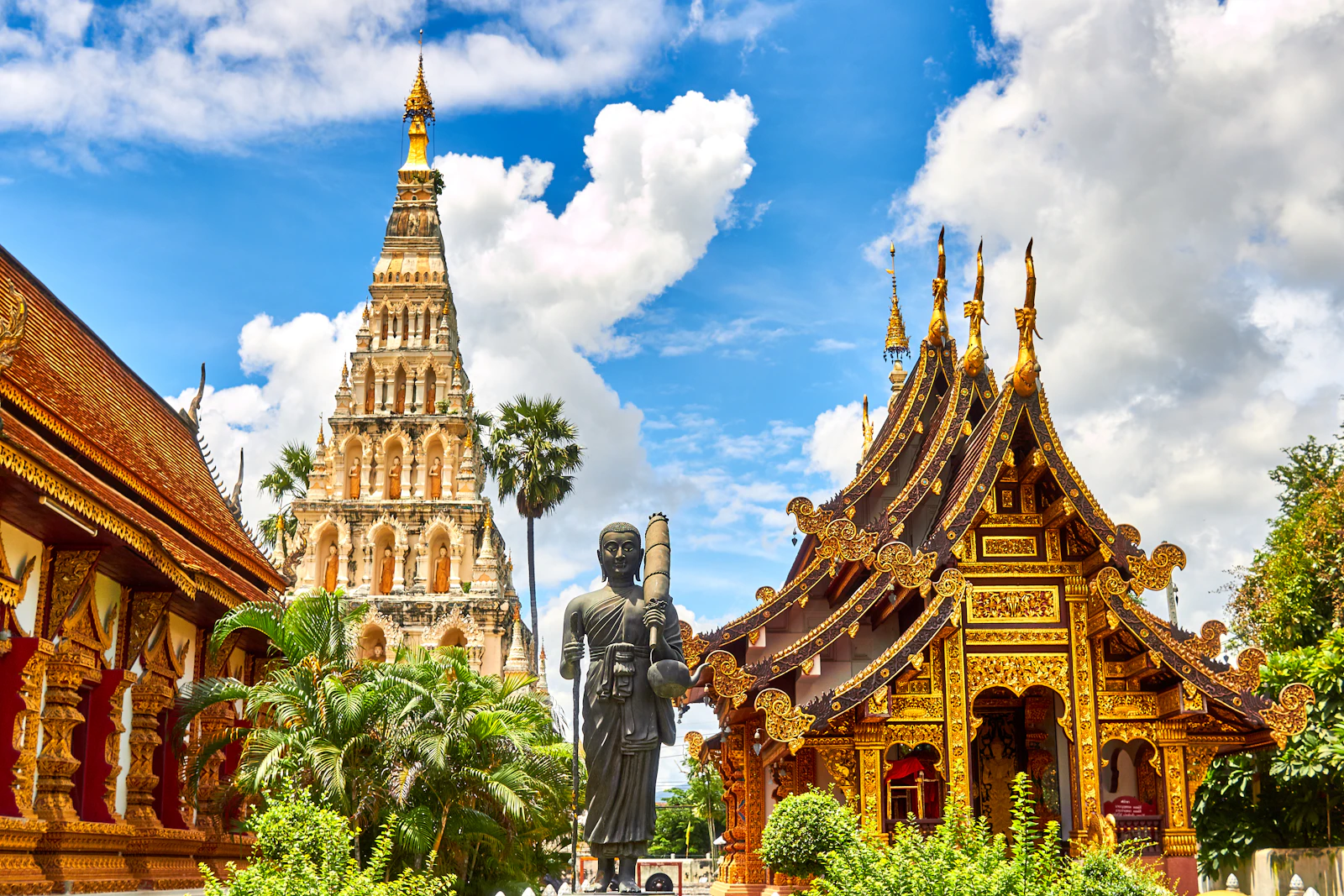
Start early at Wat Pho (the 46-metre Reclining Buddha; doors open 08:00, and by 09:30 the tour groups own it). Cross the Chao Phraya by ferry (a few baht) to Wat Arun's porcelain-studded spires — best photographed from the east bank at sunset. The river express boats are the fastest way between the old-city sights; skip road taxis along the river entirely.
Markets & green escapes
Chatuchak Weekend Market is Saturday–Sunday only — 15,000 stalls, so arrive by 10:00 before the heat does. Pak Khlong Talat (flower market) is best just after dawn. For calm, walk the elevated boardwalk through Benjakitti Forest Park at dusk, when the skyline reflects off the ponds.
When you've done the classics
Yaowarat (Chinatown) switches on after sunset — neon, chestnuts, and seafood stalls down every soi. For the modern city, café-hop in Ari or Thong Lor and end with craft beer at a taproom; this is where Bangkok's creative scene actually lives.
Eat
Street food here isn't a novelty, it's the default — and it's excellent nearly everywhere locals queue.
Eat like a local
Hit Sukhumvit Soi 38 after dark for pad thai and mango sticky rice; join the line for boat noodles near Victory Monument (60–100 THB a bowl, order two); and graze Yaowarat's evening stalls — oyster omelettes, guay jub pepper soup, toasted buns. A filling meal runs 60–150 THB ($2–4).
When you want a table
Old Town hides Michelin-plate rooms down quiet lanes (book Jay Fai-style crab omelettes days ahead); riverside Thai kitchens under Charoen Krung serve recipes older than the skyscrapers. Rooftops are touristy but the Sathorn views at golden hour earn their drink prices.
Where to Stay
Pick your neighbourhood by how you'll spend evenings, not by price alone — Bangkok is cheap at every level.
Sukhumvit (Asok–Thong Lo)
On the BTS line, walkable at night, packed with food and cafés. Best first-trip base. Hotels $40–80; monthly condos $400–800.
Old Town & Riverside
Temples and markets on the doorstep, quieter streets, prettier buildings — trade metro access for atmosphere. Guesthouses from $25.
Ari
Leafy, local, young — vintage shops, coffee roasters, night markets. Where longer-stay visitors end up after outgrowing Sukhumvit.
Logistics
Two airports: Suvarnabhumi (BKK, most international) and Don Mueang (DMK, mostly AirAsia/Nok and regional hops) — they're 45 km apart, so check which one before booking ground transport. The Airport Rail Link runs from Suvarnabhumi into town in ~26 min for 45 THB; Grab to the city centre is 300–450 THB.
In town, BTS + MRT cover most needs (trains are cool, fast, and 17–65 THB a ride); Grab fills the gaps. ATMs charge a flat ~220 THB per withdrawal, so take out larger amounts less often.
Weather: November–February is cool and dry (peak season); March–May is brutally hot; May–October brings dramatic afternoon downpours — mornings usually stay usable.
Best Time to Visit
Nov–Feb (cool, dry). April is the hottest month (Songkran cools things down, mid-month). Rainy season May–Oct means short afternoon floods, not washouts.
Thinking of staying longer in Bangkok?
Read the /live/ guide →Need the entry formalities?
Check visa requirements for Bangkok and the rest of the country before you travel.
Read the Thailand visa hub →
No comments yet