Hoi An Travel Guide - Lanterns, Tailoring & Old Town
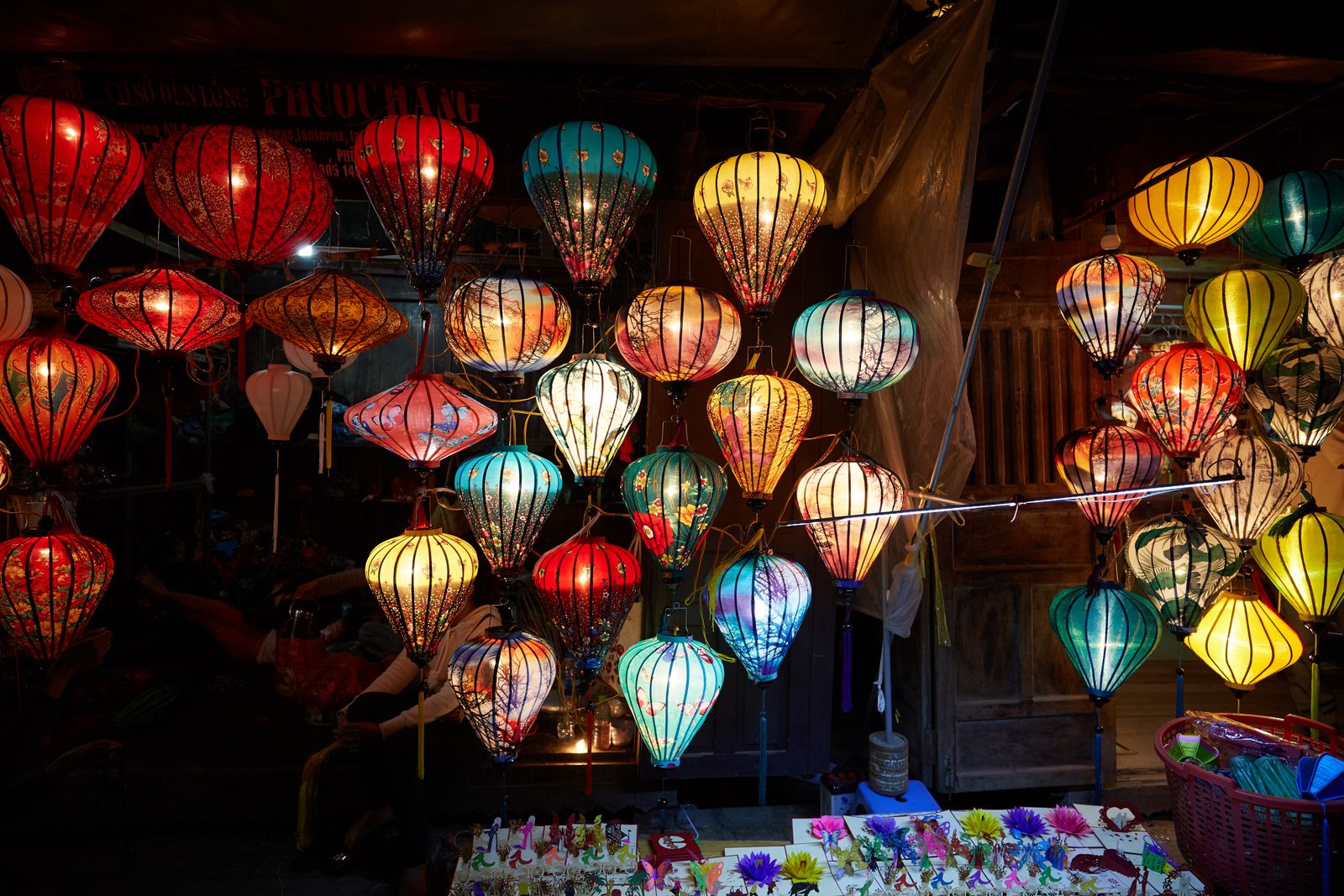
Hoi An is Vietnam's most atmospheric town: a lantern-lit UNESCO old town where the streets were built for trade, not traffic. Hotels and cooks walk to work past 15th-century facades; in the evening the River Thu Bon turns gold with hundreds of hanging paper lanterns. It is quieter, pricier and slower than nearby Da Nang, and it rewards a longer stay.Want the practical side? The full cost, visa and wifi picture is here.
See & Do
Tourism fills the old town by day; the magic shows up at sunset and after dark when the traffic drops out.
The Old Town
The lapidary arcade town covers a compact pedestrian core: the Japanese Covered Bridge (Chua Cau), the ancient shophouses on Tran Phu, and the communal houses and assembly halls built by Chinese, Japanese and Vietnamese merchants. It is small enough to wander freely for an afternoon; the lantern festival on the 14th of each lunar month is the rapt highlight.
Tailoring street
Hoi An is famous for made-to-measure clothing: suit, dress or ao dai, measured Monday and stitched by Saturday on Nguyen Thai Hoc and Tran Phu. Plan 2-3 days between fitting and pickup if you order a full wardrobe.
Beach & day trips
An Bang and Cua Dai beaches are 15 minutes by bike, quieter than Da Nang's strip. My Son's ruined Hindu temples are 45 minutes inland, the Cham Islands a boat ride offshore, and Da Nang itself, with the Marble Mountains and Golden Bridge, is a short drive north.
Eat
Hoi An's food is distinct on purpose: the town was a port, so its dishes carry Chinese, Japanese and Cham DNA.
The local classics
Cao lau is the signature: chewy rice noodles with pork and herbs you will not find done this way outside the town. Add white rose dumplings (banh bao vac) and banh mi from the famous street counters for a full tour. Vegetarian hawker options are unusually plentiful here.
Markets & coffee
The Central Market is the best-value eat in town at breakfast. Cafes line the river and old town walls; egg coffee and Vietnamese drip hold up well while you watch the ferries. Prices step up sharply on the tourist main drag, so follow the lanes behind it.
Where to Stay
The stay decision is old town versus the beach edge: charm and noise, or calm and space.
Old Town / Cam Pho
For the full lantern-and-laneway experience: boutique stays behind the hum. Beautiful, walkable, and noisy at night; check whether your room faces the pedestrian bar street before booking. 1-bedroom guest stays run higher here than Da Nang's long-stay stock.
An Hoi islet
Across the bridge and a footstep quieter, still close to the old town. A good middle ground for a week or two, with cheaper rooms and easy morning access before the day-tour crowds arrive.
An Bang / Cua Dai beach road
Calm, leafy, ten minutes from town on two wheels. Best for longer stays and anyone who wants the sea over the lanterns; studios and villas cluster here and on the road to Da Nang.
Logistics
You fly into Da Nang International Airport (DAD), 30-45 minutes away. From town, a Grab or a taxi is a few dollars; motorbike hire runs about 150,000-200,000 VND/day and the ride north along the coast to Da Nang is an easy day loop.
Cards work at most hotels, restaurants and big shops (nomads.com: 'cards OK almost everywhere'), but carry cash for markets, street food and tailors who quote informal prices. Tipping is not expected.
The old town charges an entrance card for its heritage sights. Buy the town ticket for the covered bridge and assembly halls; it works across the old town's listed sites.
Best Time to Visit
Feb-Apr is the sweet spot: dry and mild before the rains. Nov-Dec is the flood-prone wet season when parts of the old town close; skip those months for a beach-first trip.
No comments yet