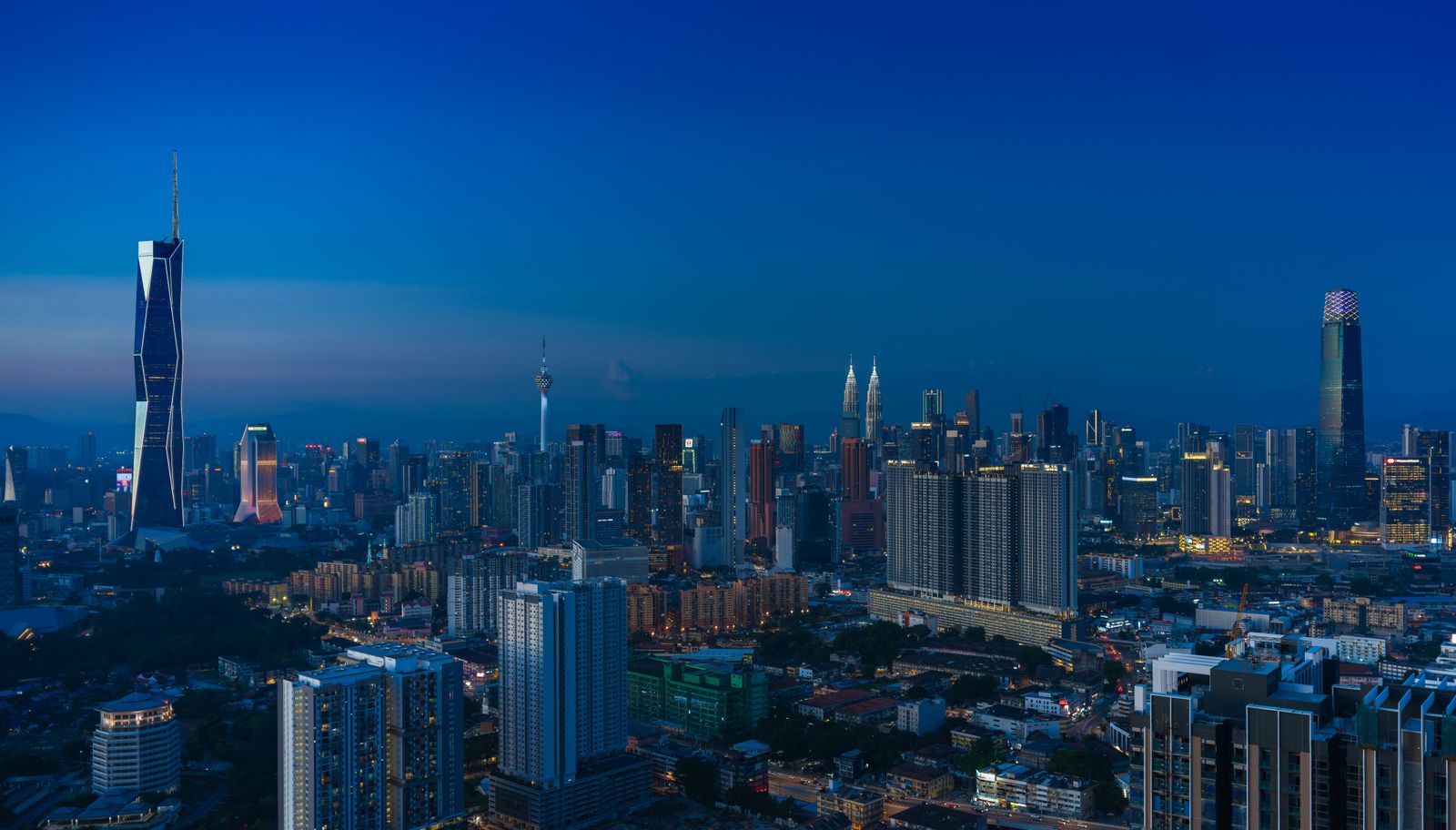
Living in Kuala Lumpur - Cost, Visa & Wifi Reality
Cost of Living
Monthly budgets, last verified Aug 2026. Sources: nomads.com cost tiers, Numbeo KL item prices, WhereNext value screen.
Nomad budget: ~$1,200-1,900/month
Nomads.com's nomad tier for KL is $1,858/month, which assumes frequent eating out and a central condo; pair Numbeo's rents (centre 1-bed ~$612, outside ~$371) with hawker-stall food and you can land well under that. Either way it buys a big-city life at developing-market prices.
Expat comfort: ~$1,500-2,500/month
Nomads.com's expat tier sits at ~$1,503/month: serviced condo, gym (about RM202/month per Numbeo), Grab everywhere, weekends mixing mall brunches with mamak suppers. This tier makes KL feel luxurious without touching Singapore-level spend.
Family tier: ~$3,200+/month
Nomads.com's family figure is ~$3,227/month before schooling; the real swing factor is education, since international primary tuition averages about RM51,000/year (~$12,700). Housing helps: 3-beds outside the centre average RM2,513 (~$624).
Local baseline: ~$900/month
Nomads.com's local tier is ~$922/month against an average net salary near RM6,240 (~$1,550). Useful anchor when agents quote expat-inflated rents. For comparison, our Da Nang cost breakdown shows Vietnam's beach hub running cheaper; KL trades a bit of price for big-city infrastructure.
Visa Options
Malaysia runs one of Southeast Asia's clearest remote-work routes (per WhereNext's verified 2026 catalog):
DE Rantau: the real digital-nomad pass
Malaysia's Digital Nomad Pass allows a 12-month stay, renewable once for a maximum of 24 months. Cost is $218, processing runs about two weeks, and the income bar is $24,000/year for tech talent or $60,000/year for non-tech, with evidence of remote work. Tax treatment is territorial: foreign-sourced income is not taxed locally. Verify details at mdec.my/derantau before applying.
Visa runs and longer stays
Most visitors arrive visa-free or on a straightforward tourist entry for weeks rather than months; the standard long-horizon options are DE Rantau above or the multi-year MM2H residence programme, which has higher financial thresholds. Rules shift, so confirm current terms officially before planning around either.
WiFi & Coworking
KL's connectivity is a genuine selling point. Ookla Speedtest readings from June 2026 show fixed broadband averaging 177 Mbps down / 78 up with 7 ms latency, and mobile at 145 Mbps down, among the strongest in the region. An unlimited 60Mbps-plus home plan costs about RM106 (~$26)/month per Numbeo; a 10GB-plus mobile plan is roughly RM37.
Coworking is mature and cheap by Western standards: nomads.com lists hot desks from $99/month, naming PAPER + TOAST as its top KL pick and Nook as the alternative. Malls and cafes tolerate laptops all day, and the MRT makes any meet-up across town painless.
Healthcare
KL is one of Asia's medical-tourism centres: private hospitals (Prince Court, Gleneagles and peers) deliver international-standard care at prices well below Singapore or the West, and English-speaking staff are the norm. Pharmacies are everywhere; routine GP visits need no referral. Travel or expat insurance remains essential, and dental and optical checkups are popular add-ons for visiting remote workers.
Safety
Nomads.com rates safety 'Okay', with lack-of-crime and food-safety both marked 'Good': violent crime against visitors is rare, and normal city caution (phone snatching on motorbikes, bag awareness in crowds) covers most of it. Annual air quality averages a healthy ~39-40 US AQI, though regional haze episodes can push readings sharply higher in dry years. Power grid is rated Great (230V/50Hz). Note tap water is not considered drinkable; filter or buy it.
No comments yet